Dyed, Metalized, Carbon, or Ceramic: Which Window Tint Film Is Right for You
Not all window tint is the same product wearing a different price tag. Here's what separates dyed, metalized, carbon and ceramic film, and how to pick the right one.
September 2, 2026 · 2 min read
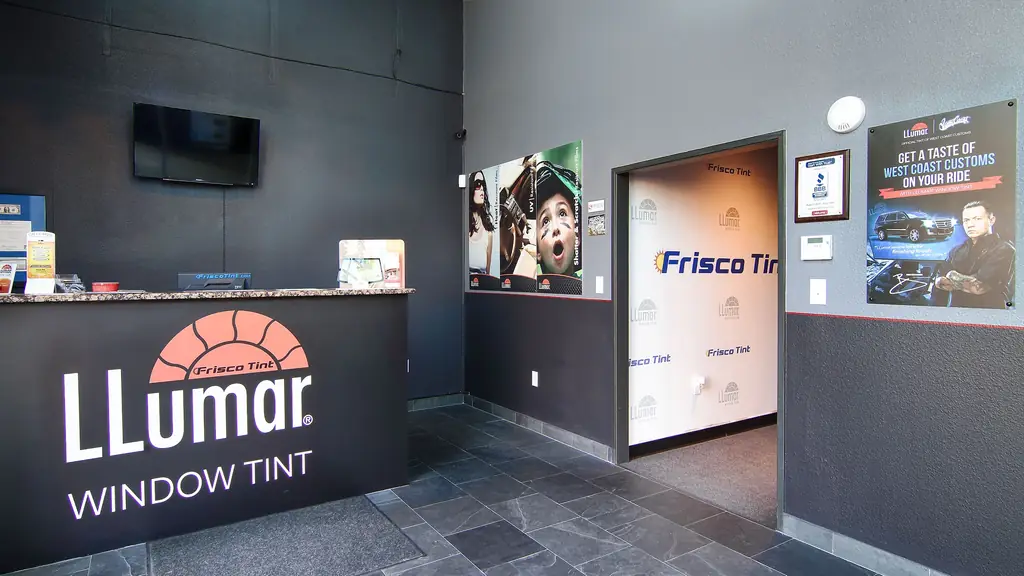
We carry four types of window film, and they aren't just different price points on the same product. Each one uses different technology to do the job, and which one makes sense for you depends mostly on what you actually want the tint to do.
- Premium Dyed: cost-effective, improves appearance, reduces glare
- Metalized: structural durability, highly efficient heat resistance
- Carbon: maximum heat rejection, resists fading
- Nano-IR Ceramic: superior clarity, UV protection and infrared rejection without interfering with electronic signals
Premium Dyed
Dyed film is the most straightforward option. A layer of dye absorbs incoming light, which darkens the glass, improves the look of the vehicle, and cuts glare. It's the most cost-effective film we carry, and it does exactly what most people picture when they think "window tint": a clean, dark, uniform look. It's a solid choice if appearance and glare reduction are your priority and you're working within a tighter budget.
Metalized
Metalized film adds microscopic metallic particles into the film layer. Those particles do two things: they add real structural durability, and they reflect heat very efficiently, which makes this a genuinely strong performer against Texas summer heat. It holds up well over time and resists fading. The tradeoff, and the reason we get asked about it, is that the metal content is the source of the old concern about window tint interfering with radio signals, GPS, or toll tag readers. It's a fair question to ask about any metal-based film, and worth raising before you choose one if you rely on toll tags or in-car electronics.
Carbon
Carbon film is built for maximum heat rejection. It doesn't use metal, so it doesn't carry the signal question that metalized film does, and it's built to resist fading over the life of the film rather than gradually shifting color the way lower-grade film can. If your main complaint about your car in summer is how hot the cabin gets before the air conditioning catches up, carbon is a strong middle option between metalized and our top-tier ceramic film.
Nano-IR Ceramic
Ceramic is our premium option, and it's the one we recommend most often when someone asks us to just pick for them. It uses ceramic particles instead of metal or dye to block infrared heat and UV light, and it does that while keeping excellent optical clarity, meaning it looks clean and stays easy to see through, including at night. Because it contains no metal, it doesn't interfere with electronic signals at all, which settles the phone, GPS and toll tag question completely. If you're weighing that concern against wanting the best heat rejection we offer, ceramic removes the tradeoff entirely.
How we help you choose
Most customers don't walk in already knowing which of the four they want, and that's fine, that's what the free estimate conversation is for. We carry film from 3M, LLumar, FormulaOne, Coolvu, Avery Dennison and Solex, and as a certified LLumar installer we can talk through exactly what each brand's version of these film types does on your specific vehicle. Budget, how long you plan to keep the car, and how much you drive in direct sun all factor into the right answer. Every install, whichever film you choose, comes with our transferable lifetime nationwide warranty against bubbling, peeling, fading and discoloration.
Frisco Tint — (972) 587-7234
Call (972) 587-7234More articles
Texas Window Tint Law: What 25% VLT Actually Means for Your Car
Texas sets a real minimum for how much light your front windows have to let through. Here's what that number means and why it doesn't have to cost you comfort.
What Our Lifetime Transferable Warranty Actually Covers
A lifetime warranty is only worth something if you know what it actually covers. Here's what ours protects, and what happens if you sell the car or move.